

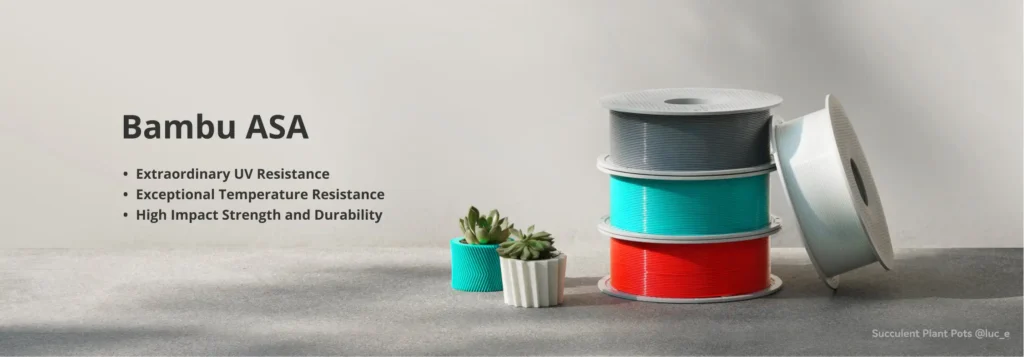
ASA filament is an advanced thermoplastic developed for functional and outdoor 3D printing applications. It is well known for its ability to maintain strength and appearance even when exposed to sunlight, heat, and changing weather conditions.
Compared with standard printing materials, ASA provides improved UV stability and environmental resistance, which helps prevent fading, cracking, or weakening over time. This makes it a reliable option for parts that need to perform both indoors and outdoors.
The material also offers excellent mechanical strength and impact resistance, allowing it to be used for structural components, enclosures, and technical prototypes. Its balanced properties make it suitable for engineers, makers, and professionals who require durable and reliable prints.
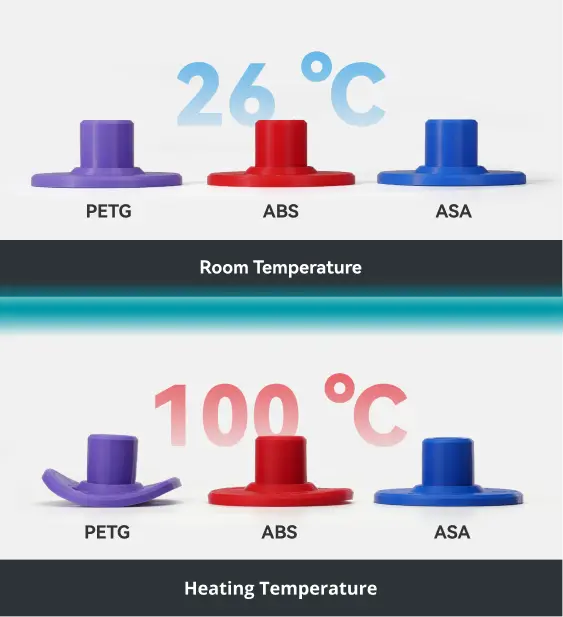
Another advantage of ASA filament is its temperature resistance and dimensional stability, helping printed parts maintain their shape even in warmer environments.
ABS vs ASA Filament
ABS and ASA are both engineering thermoplastics widely used in 3D printing, but they are designed for slightly different environments.
ASA is essentially an upgraded variation of ABS that includes an additional acrylate component. This modification significantly improves the material’s resistance to sunlight, weather exposure, and UV radiation.
While ABS is known for its durability and strong mechanical performance, ASA provides similar strength while offering better color stability and long-term outdoor durability. Parts printed with ASA are less likely to fade, discolor, or deteriorate when exposed to sunlight.
During printing, both materials can produce noticeable odors. However, many users find that ASA produces a milder smell compared to ABS, making it slightly more comfortable to print in enclosed workspaces.
Applications of ABS vs ASA
Although these materials share similar mechanical characteristics, their typical uses differ depending on environmental exposure.
ASA is commonly used for:
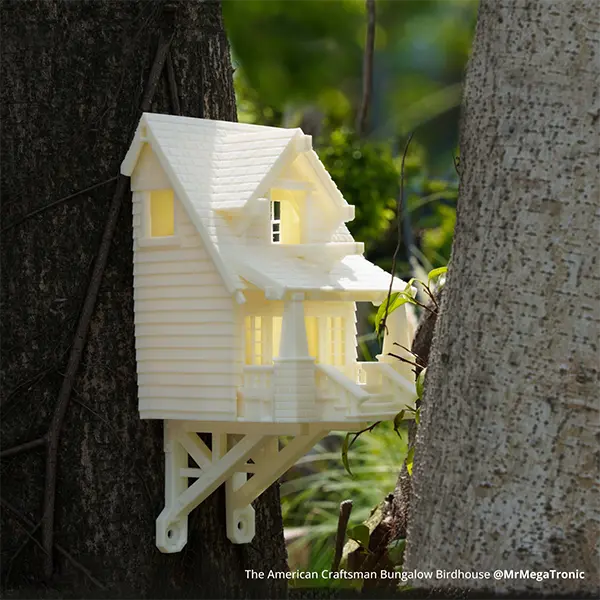
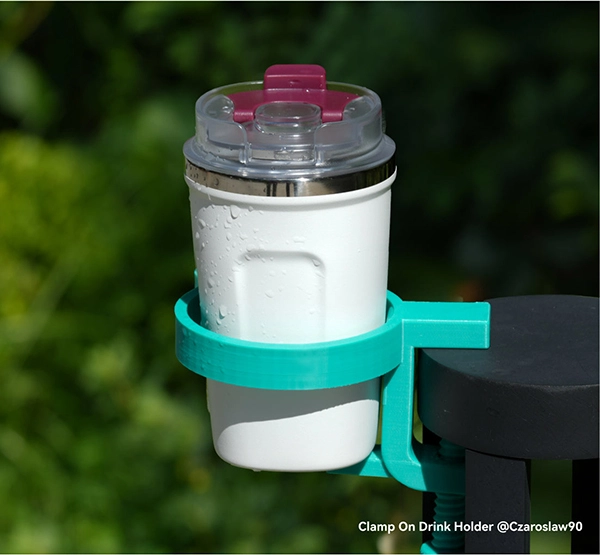
- Outdoor equipment and accessories
- Automotive exterior components
- Garden fixtures and tools
- Outdoor signage and displays
- Functional parts exposed to sunlight
ABS is commonly used for:
- Indoor mechanical parts
- Electronic enclosures
- Prototypes and functional models
- Household components
- Structural parts used indoors
In short, ASA is the better option for outdoor durability, while ABS is often chosen for indoor engineering applications.
Similarities Between ABS and ASA
Despite their differences, ABS and ASA share many important properties that make them suitable for technical 3D printing.
Both materials offer:
- Strong impact resistance
- Good tensile strength
- High durability for functional parts
- Similar stiffness and toughness
- Comparable printing requirements